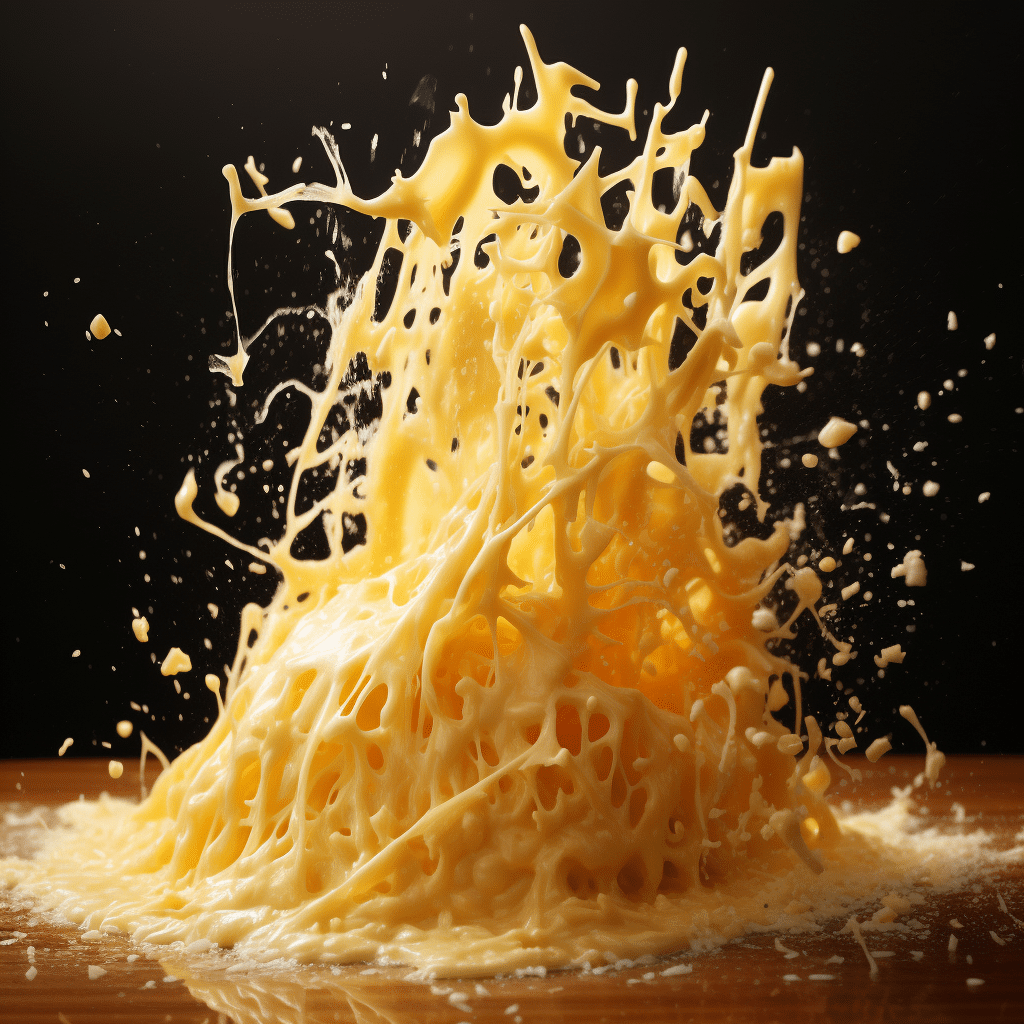
Most buyers who ask about a private label snack Indonesia project start with the wrong question. They ask what the factory can produce. The more useful question is what the factory already produces well, because an OEM programme built on an existing, stable recipe reaches the shelf far faster and with far fewer surprises than one built from a blank sheet. Cheese-coated macaroni snacks are a good example: the format is native to Indonesia, the process is mature, and the main variables left for you are flavour selection, pack format and artwork.
This article walks through how such a project normally runs, in the order the stages actually happen, and flags the points where importers most often lose time.
Private label, OEM, contract manufacturing — what you are actually buying
The terms overlap in daily use, but the practical distinctions matter when you draft the agreement:
- Private label. You take the producer’s existing recipe and pack it under your own brand. Fastest route, lowest development risk, least differentiation.
- OEM with adaptation. The base process stays, but seasoning intensity, coating level, pack size or shelf-life targets are adjusted to your market. This is where most serious projects land.
- Full contract manufacturing. A new product developed to your specification. Longest timeline, and it usually only makes sense once you already have volume through one of the first two routes.
Be explicit about recipe ownership from the start. If the producer developed the formulation, it is normally theirs; if you paid for a bespoke development, say so in writing and define exclusivity by market and by period, not vaguely “forever”.
Stage one: the brief
A good brief saves weeks. It should state your destination market and its labelling regime, your target consumer, the pack format you want on shelf, your shelf-life requirement, whether you need halal certification recognised by your local body, and any ingredient exclusions. Gluten-free is a common one for cheese snacks — macaroni-style snacks made from cassava or corn base can meet it, wheat-based ones cannot, so state it early rather than after samples.
Also state honestly what your first order is likely to be. Producers plan differently for a trial pallet than for a full container, and a realistic figure gets you a realistic answer instead of a polite one.
Stage two: samples and iterations
Expect two rounds as normal, three if you are adjusting flavour for local palates. Indonesian cheese snacks are often milder and sweeter than European or Middle Eastern buyers expect, and spicy variants are usually hotter. Ask for the reference samples in the producer’s own retail packaging first, so you are judging the product and not the artwork.
When you comment on samples, avoid adjectives. “Less salty” means little. “Reduce salt roughly ten percent and keep the cheese note” is actionable. Ship samples by courier with the correct food declaration; parcels held at customs are the single most common cause of a stalled first month.
Stage three: specification, certification and documents
Before artwork, lock the technical file. For a shelf-stable snack this normally includes ingredient list and origin, nutritional analysis, allergen statement, shelf-life data with the storage condition assumed, packaging specification including barrier material, and the certificates your border authority will ask for.
| Document | Who issues it | Why the importer needs it |
|---|---|---|
| Halal certificate | Indonesian halal authority | Required or strongly expected in many Muslim-majority markets; check recognition of the issuing body in your country |
| BPOM registration | Indonesian food and drug authority | Evidence the product is legally distributed in its home market |
| HACCP | Certification body audit | Demonstrates a documented food safety system, often requested by retail buyers |
| Certificate of Origin | Chamber of commerce | Customs clearance and any preferential tariff claim |
| Health / free sale certificate | Government authority | Required by several importing countries for first-time registration |
| Phytosanitary or lab analysis | Accredited laboratory | Requested market by market; confirm before production, not after |
Your own market will add its own layer — nutrition panel format, allergen wording, language requirements, importer name and address on pack. That is your responsibility, not the producer’s, and it is where most artwork rejections come from.
Stage four: packaging and artwork
Two decisions drive cost and feasibility more than anything else: material structure and print method. A metallised laminate protects a crunchy, oil-coated snack far better than a simple transparent film, and for cheese products that difference shows up directly in shelf life. Rotogravure printing gives excellent results but requires cylinder tooling per design, so it suits committed volumes; digital print suits smaller launches and multi-flavour ranges where each SKU is modest.
Practical advice: minimise SKUs at launch. Three flavours done well beat eight that each sit below the volume needed for efficient print runs. You can look at how a range is normally structured on the product range page to see how flavour families are usually split.
Stage five: MOQ, production planning and lead time
MOQ in a private label project is rarely one number. It stacks:
- Packaging MOQ — the film printer’s minimum, usually the binding constraint, and set per artwork design.
- Production run MOQ — the batch size that makes a changeover worthwhile.
- Shipping economics — a light, bulky snack fills a container by volume long before it reaches the weight limit, so a 20-foot container often carries less weight than newcomers assume. Plan your first order around cubic metres, not kilograms.
A realistic timeline for a straightforward private label project: two to four weeks for briefing and samples, two to three weeks for specification and artwork approval, three to five weeks for packaging film production, then the production run itself, then booking and sailing. Add buffer around Ramadan, Eid and year-end, when both factories and freight tighten across Indonesia.
Stage six: Incoterms, inspection and the first shipment
For a first project, FOB from Semarang or Tanjung Priok is the sensible default. You control the freight forwarder, you see the real shipping cost, and responsibility transfers at a clear point. EXW pushes too much local handling onto a buyer who has no presence in Indonesia; CIF is convenient but hands carrier choice to the seller. CFR and DAP become reasonable later, once trust and volume exist.
Agree inspection terms before production, not after. Options range from the producer sending photographs and retained samples of the finished run, to a third-party inspector checking pack weight, seal integrity, coding and carton marking before container loading. For a first order, a third-party check is cheap insurance in effort, if not in money.
Finally, agree what happens if something goes wrong: how claims are documented, what evidence is needed, and within what window. Snacks travel badly when cartons are under-specified, so confirm carton board strength and stacking height rather than assuming.
When Indonesian private label is not the right fit
Be honest with yourself. If you need very small quantities for a single boutique, a private label programme is the wrong tool — buying the producer’s own branded packs and reselling them is simpler and faster. If your market demands a certification scheme the factory does not hold, budget time for an audit rather than hoping it will be waived. And if you need year-round identical flavour from a natural cheese base, discuss batch variation openly; real cheddar behaves differently from a purely synthetic flavour powder, which is a quality advantage but also something to manage.
ELFATH Makaroni Keju has made cheese macaroni snacks in Kaligondang, Purbalingga since 2017, using real cheddar rather than flavour powder alone, with halal certification, BPOM registration and HACCP in place. The range spans nine flavours in family and single-serve packs, and the same team that supplies hundreds of resellers across Indonesia handles export enquiries. If you want to discuss an OEM or private label brief, the contact page has the direct WhatsApp and email, and the about page explains how the business is set up.
Frequently asked questions
Apa bedanya private label dan OEM untuk camilan?
Private label berarti Anda memakai resep dan produk yang sudah ada dari produsen, lalu dikemas dengan merek Anda sendiri. OEM biasanya melibatkan penyesuaian, misalnya tingkat rasa, ukuran kemasan, atau target masa simpan, di atas proses produksi yang sudah berjalan. Private label lebih cepat dan risikonya lebih kecil, sedangkan OEM memberi diferensiasi lebih besar dengan waktu pengerjaan lebih panjang.
Berapa lama proses private label camilan dari Indonesia sampai barang dikirim?
Untuk proyek yang lurus tanpa pengembangan resep baru, biasanya dibutuhkan sekitar dua sampai empat minggu untuk briefing dan sampel, dua sampai tiga minggu untuk finalisasi spesifikasi dan desain kemasan, lalu beberapa minggu lagi untuk produksi film kemasan sebelum produksi massal dan pengapalan. Tambahkan cadangan waktu menjelang Ramadan, Idulfitri, dan akhir tahun karena jadwal pabrik dan pelayaran ikut padat.
Dokumen apa saja yang perlu disiapkan untuk mengimpor camilan dari Indonesia?
Umumnya importir meminta sertifikat halal, bukti izin edar BPOM, sertifikat HACCP, Certificate of Origin, dan health atau free sale certificate. Persyaratan tambahan seperti hasil uji laboratorium atau format label tertentu berbeda di setiap negara tujuan, jadi sebaiknya dicek ke otoritas setempat sebelum produksi dimulai, bukan setelah barang jadi.
Tinggalkan Balasan